
By Xpert Packages Team · · Updated
Offset vs Digital Box Printing, Plus Foil and Spot UV
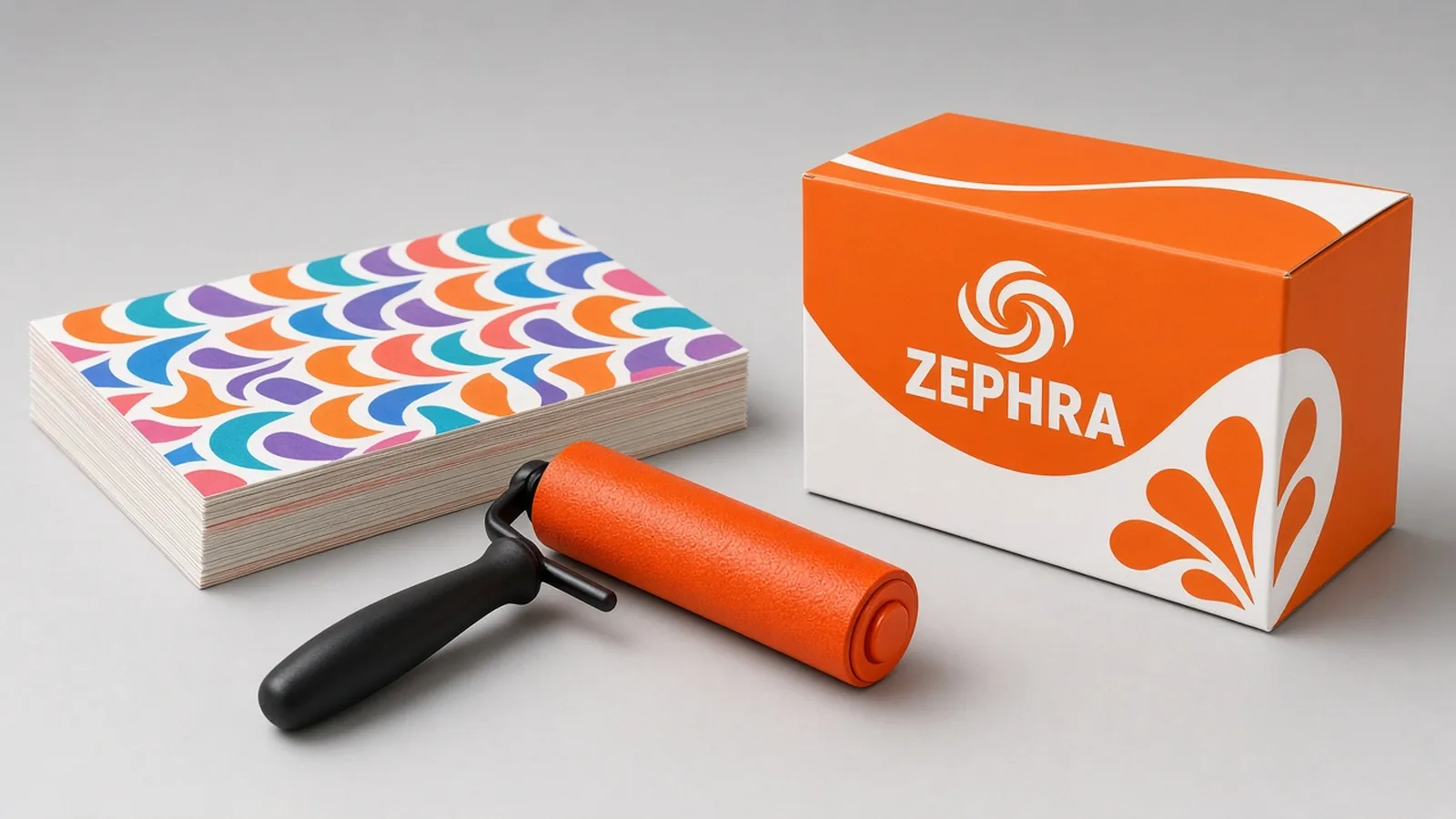
How does offset printing work on boxes?
Choosing between offset and digital is the first decision in any custom box printing project. The right answer depends on how many boxes you need, how many artwork versions you have, and how exact your brand colors must be. Once the base print is chosen, foil and spot UV turn a printed box into a branded one.
As a custom packaging company, Xpert Packages offers offset, digital and screen printing, plus foil and spot UV, across its custom printed boxes. This guide explains how each method works so you can brief your quote with confidence.
Offset (lithographic) printing transfers ink from a metal plate to a rubber blanket and then onto the board. Each color gets its own plate. Full-color images are built from four process inks (cyan, magenta, yellow and black, known as CMYK), and solid brand colors can be added as optional PMS spot color inks.
Because the plates are made once, offset becomes more efficient as quantity rises. It gives sharp detail, smooth solids and very consistent color from the first box to the last.
Offset is a good fit when:
- You order larger quantities of one design.
- Your brand color must match closely on every box.
- The artwork has large solid areas or fine text.
- You plan to reorder the same design.
How does digital printing work on boxes?
Digital printing sends the artwork file straight to the press. There are no plates, so setup is quicker and each sheet can carry a different design. That makes digital printing practical for small runs, seasonal versions, test launches and product lines with many SKUs.
Digital color is built from process inks, so very specific brand colors may shift slightly compared with an offset spot ink. A printed proof helps you check this before the full run.
Digital is a good fit when:
- You need a short run, from our minimum (minimum 50 units, runs of 50–249 quoted individually).
- You have several versions (flavors, scents, sizes) in one order.
- You are testing a design before committing to a larger run.
- Your artwork is photographic and full color.
Offset vs digital: which should you choose?
| Factor | Offset printing | Digital printing |
|---|---|---|
| Setup | Plates made for each color | No plates; prints from file |
| Best run length | Larger runs of one design | Short runs and multiple versions |
| Color consistency | Very high across a long run | Good; check a proof for brand colors |
| Solid brand colors | Optional PMS spot color inks | Built from process inks |
| Design changes | New plates for each change | Change the file and reprint |
| Typical use | Retail cartons, repeat orders | Launches, samples, seasonal SKUs |
There is no single "better" method. Many brands start with digital for a launch, then move to offset once the design and volume settle.
What is screen printing used for on packaging?
Screen printing pushes ink through a fine mesh stencil. It lays down a thicker ink film than offset or digital, so it is useful for bold, opaque graphics, for example white ink on kraft board or a single strong color on a dark stock. It is best for simple shapes and logos rather than photos.
What do foil and spot UV add?
Foil and spot UV are print methods used alongside offset, digital or screen printing. They do not replace the base print; they highlight parts of it.
Foil stamping
Foil stamping uses heat and pressure to apply a thin metallic or colored film to selected areas, such as a logo, a pattern or a product name. Gold, silver and colored foils are common for cosmetics, perfume, gifts and premium food.
Spot UV
Spot UV is a clear, glossy layer applied only to chosen areas. On a matte box, a spot UV logo catches the light and feels slightly raised. It creates contrast without adding another ink color.
Matte, gloss and soft-touch surfaces
The box surface can be matte, gloss or soft-touch, and embossing, varnish or aqueous coating can be added. A common premium pairing is a soft-touch surface with foil or spot UV on the logo. See packaging finishes explained for how each one looks and feels.
How do print methods combine in practice?
| Goal | Base print | Highlight idea |
|---|---|---|
| Premium cosmetic carton | Offset | Soft-touch surface + foil logo |
| Short-run product launch | Digital | Matte surface + spot UV logo |
| Natural look on kraft | Screen printing | White or single-color ink on bare kraft |
| Food takeaway box | Offset or digital | Soy-based inks on food-safe packaging |
| Gift box | Offset | Gloss or matte surface + embossing |
For food packaging, ask about food-safe packaging options and soy-based inks; our custom food packaging range covers takeaway, bakery and confectionery styles.
How do you prepare artwork for box printing?
- Use the dieline. Every box is made to your exact size, so we provide a dieline for your dimensions. Place artwork on it, including bleed.
- Set color correctly. Supply CMYK artwork, and name any PMS spot color you want printed with offset.
- Separate foil and spot UV layers. Put foil and spot UV on their own layers as solid shapes.
- Check text size and contrast. Very fine type can fill in, especially under foil.
- Ask for a proof. A digital or printed proof confirms layout and color before production.
For the color side in more depth, read CMYK vs PMS for packaging printing.
Which print method should you pick, step by step?
If you are unsure where to start, work through these questions in order. Each answer narrows the choice.
- How many boxes per design? Small or test runs lean toward digital printing. Larger repeat runs of one design lean toward offset.
- How many artwork versions? Several flavors, scents or SKUs usually favor digital, because each version needs no separate plates.
- How exact must the brand color be? If a solid color must match closely every time, ask about offset with an optional PMS spot color.
- Is the board dark or kraft? Bold white or opaque graphics on dark or kraft board are a good job for screen printing.
- Which one detail should stand out? Pick a single highlight, such as foil on the logo or spot UV on a pattern, rather than adding every effect.
| Common mistake | Better approach |
|---|---|
| Choosing offset for a one-off test run | Start digital, switch to offset when the design is settled |
| Thin text in foil or spot UV | Keep highlight lines and text bold enough to register cleanly |
| Skipping the proof | Check colors and placement on a proof before production |
| Adding foil, spot UV and embossing together | Choose one hero effect so the design stays clear |
Before you send your quote request, gather these details:
- The box style and exact inside dimensions, so the printer can confirm the dieline
- The number of designs and the quantity of each one, which shows whether digital or offset fits better
- Any brand colors given as PMS spot color references or CMYK values
- The board type you prefer, such as white paperboard, kraft or corrugated
- The one finish you want to highlight, if any
Having this ready means fewer rounds of questions and a faster, more accurate quote. If you are not sure about any point, leave a note and we can suggest options based on your product and budget.
Share your answers with your quote request and we can confirm the best method for your run.
How do I request a quote?
Tell us your box style, size, quantity and print method, and we will recommend the best mix. Request a quote — minimum 50 units, runs of 50–249 quoted individually, 7–14 business days. Start your quote.
Frequently asked questions
- Is digital or offset printing better for small runs?
- Digital is usually the better fit for small runs because it needs no plates. Minimum 50 units, runs of 50–249 quoted individually.
- Can I add foil or spot UV to a digitally printed box?
- Yes. Foil and spot UV can be combined with offset or digital printing on the same box.
- What is the difference between spot UV and an all-over gloss surface?
- A gloss surface covers the whole box. Spot UV is applied only to selected areas, creating contrast against a matte or soft-touch base.
- When should I use screen printing on packaging?
- Use it for bold, opaque, simple graphics, such as a white logo on kraft or dark board.
- How long does custom box printing take?
- Production is 7–14 business days.
About the author: Xpert Packages Team
Xpert Packages is a custom packaging solutions provider serving businesses across retail, eCommerce, food, cosmetics and other industries. Our team writes these guides from the box styles, materials and finishes in our own catalog.